How to Choose an English-Speaking Real Estate Agent in Tokyo
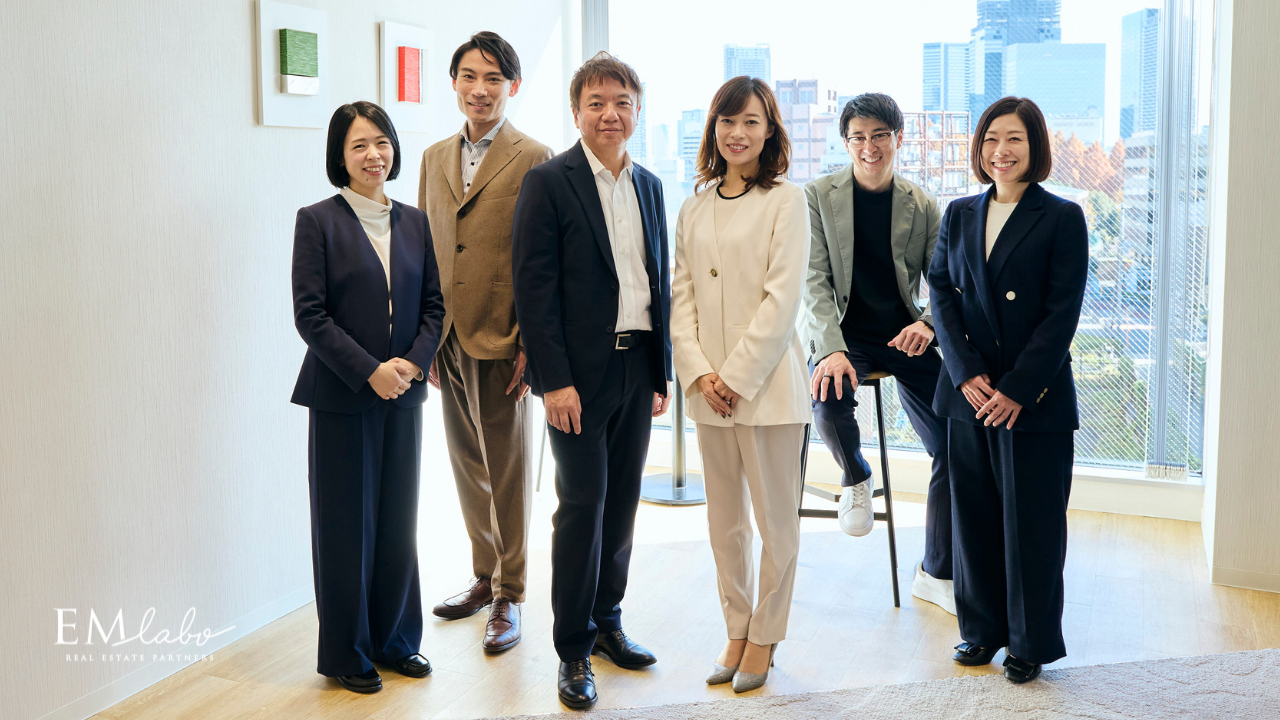
Finding an English-speaking real estate agent in Tokyo can make a major difference when buying, renting, selling, or investing in property in Japan.
The language barrier is not limited to everyday communication. Japanese real estate transactions involve property records, financing requirements, management documents, disclosure statements, contracts, negotiations, and local business practices that may be unfamiliar to international clients.
An agent who speaks English can translate information. A truly effective bilingual real estate agent should also be able to explain what the information means, identify potential risks, communicate with Japanese sellers and related professionals, and help you make an informed decision.
This guide explains how to choose an English-speaking real estate agent in Tokyo and what international clients should expect from professional real estate support in Japan.
目次
Why Work with an English-Speaking Real Estate Agent in Tokyo?
Tokyo has a large and diverse property market. International clients can choose from central-city condominiums, family homes, investment apartments, luxury residences, detached houses, renovated properties, and rental homes throughout Tokyo and the wider Kanto area.
However, much of the information needed to evaluate these properties is prepared in Japanese.
This may include:
- Property listings and floor plans
- Ownership and title information
- Condominium management documents
- Repair and maintenance records
- Hazard-related information
- Mortgage application documents
- Purchase applications
- Disclosure statements
- Sale and purchase agreements
- Lease agreements
- Property management rules
An English-speaking real estate agent helps bridge the gap between the international client and the Japanese property market.
The agent should be able to communicate your requirements accurately in Japanese, gather information from sellers and management companies, arrange viewings, explain the transaction in English, and coordinate with banks, judicial scriveners, architects, renovation companies, and other professionals when necessary.
This support is particularly valuable when you are making a high-value decision in a legal and commercial environment that differs from your home country.
Why English Translation Alone Is Not Enough
Being able to speak English is important, but language ability alone does not make someone a qualified real estate advisor.
A literal translation may tell you what a document says. It may not explain:
- Why a particular procedure is required
- Whether a condition is standard in the Tokyo market
- Which terms may be negotiable
- How a building’s management affects its long-term value
- Whether a mortgage condition creates a risk
- How a property compares with recent alternatives
- What may affect the future resale of the property
For example, an English-speaking assistant may be able to translate the amount of a condominium’s repair reserve contribution. An experienced real estate agent should go further and help you consider whether the reserve fund appears appropriate for the building’s age, maintenance history, and planned major repairs.
Similarly, an agent should not simply translate a cancellation clause. The agent should explain when it applies, what deadlines are involved, and what financial consequences may arise.
When choosing an English-speaking real estate agent in Tokyo, look for someone who can provide professional analysis and practical guidance rather than translation alone.
You can learn more about this approach in English-Speaking Real Estate Services in Tokyo.
How to Choose the Right English-Speaking Real Estate Agent in Tokyo
The right agent depends on whether you are buying, renting, selling, or investing. However, several qualities are important in almost every Tokyo real estate transaction.
1. Confirm the Agent’s Professional Real Estate Experience
Ask whether the person supporting you has practical experience with the type of transaction you are planning.
An agent who mainly handles short-term rental introductions may not have the same experience as an agent who regularly handles property purchases, mortgage coordination, investment analysis, or sales contracts.
Relevant experience may include:
- Residential property purchases
- Foreign-buyer transactions
- Japanese mortgage applications
- Central Tokyo condominiums
- Family homes in the wider Kanto area
- Investment property analysis
- Property sales and valuations
- Renovation and architectural matters
You should also ask whether a licensed Japanese real estate transaction specialist will be involved in reviewing and explaining the important documents.
2. Choose an Agent Who Understands International Clients
International clients may have different priorities, expectations, and points of reference from Japanese buyers or tenants.
For example, you may need help understanding:
- Japanese property sizes and measurement methods
- Differences between freehold and leasehold ownership
- Condominium management associations
- Earthquake resistance standards
- Japanese mortgage screening
- Documents required from overseas residents
- Local expectations during negotiations
- The relationship between property ownership and visa status
An agent who regularly works with international clients is more likely to anticipate these questions before they become problems.
3. Look for Local Tokyo Market Knowledge
Tokyo is not one uniform property market.
Prices, property types, school access, train connections, rental demand, disaster risks, and resale potential vary considerably between neighborhoods.
An agent should be able to explain why a property in Minato City may need to be assessed differently from one in Shibuya, Meguro, Setagaya, Koto, Nerima, or western Tokyo.
The agent should also be prepared to suggest areas outside the neighborhoods most commonly known to international clients.
Depending on your budget and lifestyle, suitable options may also be available in Yokohama, Kawasaki, Saitama, or Chiba.
A strong agent does not simply send listings that match your maximum budget. The agent should help you compare location, convenience, building quality, ownership costs, and long-term value.
4. Check Whether the Agent Can Access Japanese-Language Listings
International property websites can be useful, but they do not always show the complete range of properties available in Tokyo.
Many listings are initially distributed through Japanese real estate systems and Japanese-language communication between brokerage companies.
Your agent should be able to:
- Search Japanese property information
- Contact listing agents in Japanese
- Confirm whether a property is still available
- Request documents that are not included in the public listing
- Investigate comparable properties
- Explain relevant findings in English
Equally important is the agent’s professional network within the Japanese real estate industry.
Strong relationships with other brokers, developers, property managers, and related professionals often lead to faster communication, smoother negotiations, and access to valuable information that may not be obvious from the listing itself.
Real estate in Japan is still very much a relationship-driven business. An agent who has built trust and maintains good connections within the industry is often in a better position to help you navigate the transaction successfully.
This allows you to make decisions based on a broader view of the market, rather than a limited selection of English-language advertisements.
5. Ask How the Agent Evaluates Properties
A professional agent should do more than arrange viewings.
For a condominium purchase, the agent should help you investigate matters such as:
- The building’s age and seismic standards
- The quality of common-area management
- Monthly management fees
- Repair reserve contributions
- Past major repairs
- Future repair plans
- Restrictions on renovations, pets, or leasing
- The property’s likely resale market
For a detached house or land purchase, additional considerations may include:
- Road access (Super Important!)
- Land boundaries
- Building restrictions
- Structural condition
- Rebuilding possibilities
- Retaining walls and drainage
- Renovation requirements
A property may look attractive during a viewing while still presenting legal, financial, or maintenance concerns. Your agent should help identify these issues before you sign a contract.
6. Confirm Mortgage and Financing Support
If you require a Japanese mortgage, choose an agent who understands financing for international buyers.
Mortgage eligibility can depend on:
- Your residency status
- Whether you have permanent residency
- Your income and employment history
- Your Japanese tax records
- Your available down payment
- Your Japanese-language ability
- The property’s age, location, and valuation
Japanese lenders do not all apply the same criteria. An experienced agent can help you organize your information, understand possible options, and avoid searching for properties that cannot realistically be financed.
Mortgage consultation should ideally take place before you submit a purchase application.
7. Look for Transparent Communication and Fees
Your agent should explain the brokerage fee and other anticipated transaction costs before you commit to a property.
You should receive a clear explanation of:
- Brokerage fees
- Taxes and registration expenses
- Mortgage-related costs
- Insurance
- Condominium fees
- Renovation or repair costs
- Ongoing ownership expenses
Be cautious when an agent avoids discussing costs, creates unnecessary urgency, or encourages you to sign documents before your questions have been answered.
You can review EM Labo’s fee information on the brokerage fees page.
8. Choose an Agent Who Listens Before Recommending Properties
A good agent should begin by understanding your purpose rather than immediately sending property listings.
Your initial consultation should cover:
- Whether the property is for your own use or investment
- Your preferred areas
- Your maximum total budget
- Your financing method
- Your commuting requirements
- Your family and school needs
- Your preferred property type and size
- Your expected ownership period
- Your future resale or rental plans
The cheapest property is not always the best value, and the most prestigious neighborhood is not always the best fit.
Your agent should help you balance your current preferences with the practical realities of the market.
Questions to Ask an English-Speaking Real Estate Agent
Before choosing an agent, consider asking the following questions.
- Which areas of Tokyo and the Kanto region do you cover?
- Do you mainly handle purchases, rentals, sales, or investments?
- How often do you work with international clients?
- Can you explain contracts and property documents in English?
- Will a licensed real estate professional be involved?
- Can you search Japanese-language property listings?
- Can you help with mortgage consultations?
- How do you investigate condominium management and repair plans?
- Can you support clients living outside Japan?
- What brokerage fees and additional costs should I expect?
- Can you introduce English-speaking legal, tax, architectural, or renovation professionals?
- How will you communicate with me during the transaction?
The agent’s answers should be specific and easy to understand.
Avoid choosing an agent solely because they respond quickly or show you an attractive listing. Consider whether they can support you through the full transaction.
Looking for an English-speaking real estate agent in Tokyo?
Tell EM Labo about your preferred location, budget, property type, residency status, and financing plans. Our team will help you identify the next practical steps.
Speak with Our English-Speaking Team
English Support for Buying Property in Tokyo
Purchasing a property is one of the situations in which professional English-language support is especially valuable.
A buyer’s agent may assist with:
- Clarifying your budget and requirements
- Comparing suitable areas
- Searching for properties
- Arranging and attending viewings
- Reviewing building and management information
- Preparing a purchase application
- Negotiating the price and other conditions
- Coordinating mortgage procedures
- Explaining important documents
- Coordinating closing and handover
International buyers should work with an agent who understands both the Japanese property market and the specific challenges faced by non-Japanese speakers.
Learn more about EM Labo’s property purchase support.
For additional guidance, read Your Guide to Buying Property in Central Tokyo as a Non-Japanese Buyer.
English Support for Renting Property in Tokyo
Finding a rental property in Tokyo can also be challenging for international residents.
Some landlords or management companies may have specific application requirements relating to:
- Residency status
- Japanese employment
- Income
- Guarantors
- Guarantee companies
- Japanese-language communication
- The intended number of occupants
From our experience, the number of rental properties that actively accept international tenants is still relatively limited. Even in central Tokyo, it is not unusual for only 3 or 4 out of every 20 properties to be available to foreign applicants, depending on the area and the applicant’s profile.
For this reason, finding the right home often requires patience, persistence, and an agent who is willing to contact multiple landlords and management companies on your behalf.
An English-speaking rental agent can help identify realistic properties, confirm application conditions, communicate with the landlord, arrange viewings, and explain the lease agreement.
The agent should also explain the total move-in cost, which may include a deposit, key money, agency fees, guarantee company fees, insurance, lock replacement fees, and advance rent.
Learn more about finding a rental property with EM Labo.
You can also read How to Find Rental Property in Central Tokyo as an International Professional.
English Support for Selling Property in Tokyo
Property owners who do not speak Japanese fluently may also benefit from working with an English-speaking sales agent.
A selling agent should help with:
- Property valuation
- Reviewing comparable transactions
- Preparing a marketing strategy
- Photography and property presentation
- Marketing to Japanese and international buyers
- Managing viewing requests
- Negotiating offers
- Preparing and explaining contracts
- Coordinating the final settlement
Ask the agent to explain how the suggested listing price was determined and how the property will be marketed.
A high initial valuation is not always a sign of a better agent. The proposed strategy should be supported by market information and a realistic understanding of likely buyers.
Just as important as the asking price is how the property is marketed.
Selling a property is not simply about listing it online. The marketing strategy should evolve based on buyer feedback and market activity. A good agent will provide regular updates on how the market is responding to the agreed listing price—such as enquiry levels, viewing activity, buyer comments, and competing properties—and discuss whether any adjustments to the strategy are needed.
Successful sales are achieved through continuous communication and data-driven decisions, rather than simply waiting for an offer.
Learn more about EM Labo’s property sale support.
English Support for Real Estate Investment in Tokyo
An investment property should be evaluated differently from a home purchased primarily for personal use.
Your agent should help you examine:
- Current and expected rental income
- Local tenant demand
- Expected vacancy periods
- Property management fees
- Condominium management expenses
- Repair reserve contributions
- Future renovation requirements
- Financing costs
- Potential resale demand
- Possible exit strategies
A high advertised yield does not necessarily mean that a property is a strong investment.
Higher yields may reflect location risks, older construction, weak resale demand, costly repairs, difficult tenants, or other factors.
An English-speaking investment agent should explain both the potential return and the risks involved.
Learn more about EM Labo’s real estate investment services.
Can a Tokyo Real Estate Agent Support Clients Living Overseas?
Many international clients begin their Tokyo property search while living outside Japan.
An agent may be able to provide:
- Online consultations
- Remote property searches
- Detailed photographs and videos
- Virtual viewings
- English explanations of documents
- Coordination with a Japan-based representative
- Closing and handover support
- Introductions to property management services
However, overseas buyers may need additional documentation for identity verification, proof of address, ownership registration, fund transfers, and tax administration.
Before submitting an offer, ask the agent which stages can be completed remotely and which documents must be prepared in your country of residence.
For more information, read Finding Home in Japan: How EM Labo Helps International Buyers Navigate the Real Estate Market.
Which Areas Should Your Real Estate Agent Cover?
The best location depends on your reason for moving or investing.
International buyers and tenants often begin by searching well-known areas such as:
- Azabu
- Roppongi
- Hiroo
- Aoyama
- Shibuya
- Meguro
- Ebisu
- Shinjuku
These areas offer convenient access and established international communities, but they may also have higher prices and greater competition.
Depending on your needs, your agent may recommend other parts of Tokyo or nearby prefectures.
Examples include:
- Setagaya for residential neighborhoods and family homes
- Koto and Shinagawa for access to central business areas
- Nerima and western Tokyo for more space
- Yokohama and Kawasaki for access to Tokyo from Kanagawa
- Southern Saitama for commuter convenience
- Western Chiba for access to eastern Tokyo
A knowledgeable agent should compare locations based on your commute, lifestyle, budget, family needs, property type, and future plans.
EM Labo focuses on Tokyo and the Kanto area. You can view selected properties on the Tokyo and Kanto property listings page.
How Do Real Estate Agent Fees Work in Japan?
Brokerage fees depend on the type of transaction and the agreed service.
For property purchases and sales, the fee is normally calculated in relation to the transaction price and the maximum permitted under Japanese regulations.
Rental transactions use a different fee structure.
In addition to the brokerage fee, buyers may need to pay:
- Registration expenses
- Taxes
- Judicial scrivener fees
- Mortgage-related fees
- Insurance premiums
- Prorated property taxes
Tenants may need to pay:
- A security deposit
- Key money
- Guarantee company fees
- Insurance
- Advance rent
- Other property-specific expenses
Your agent should provide a written estimate before you make a binding decision.
See EM Labo’s service fees for more information.
Why International Clients Choose EM Labo
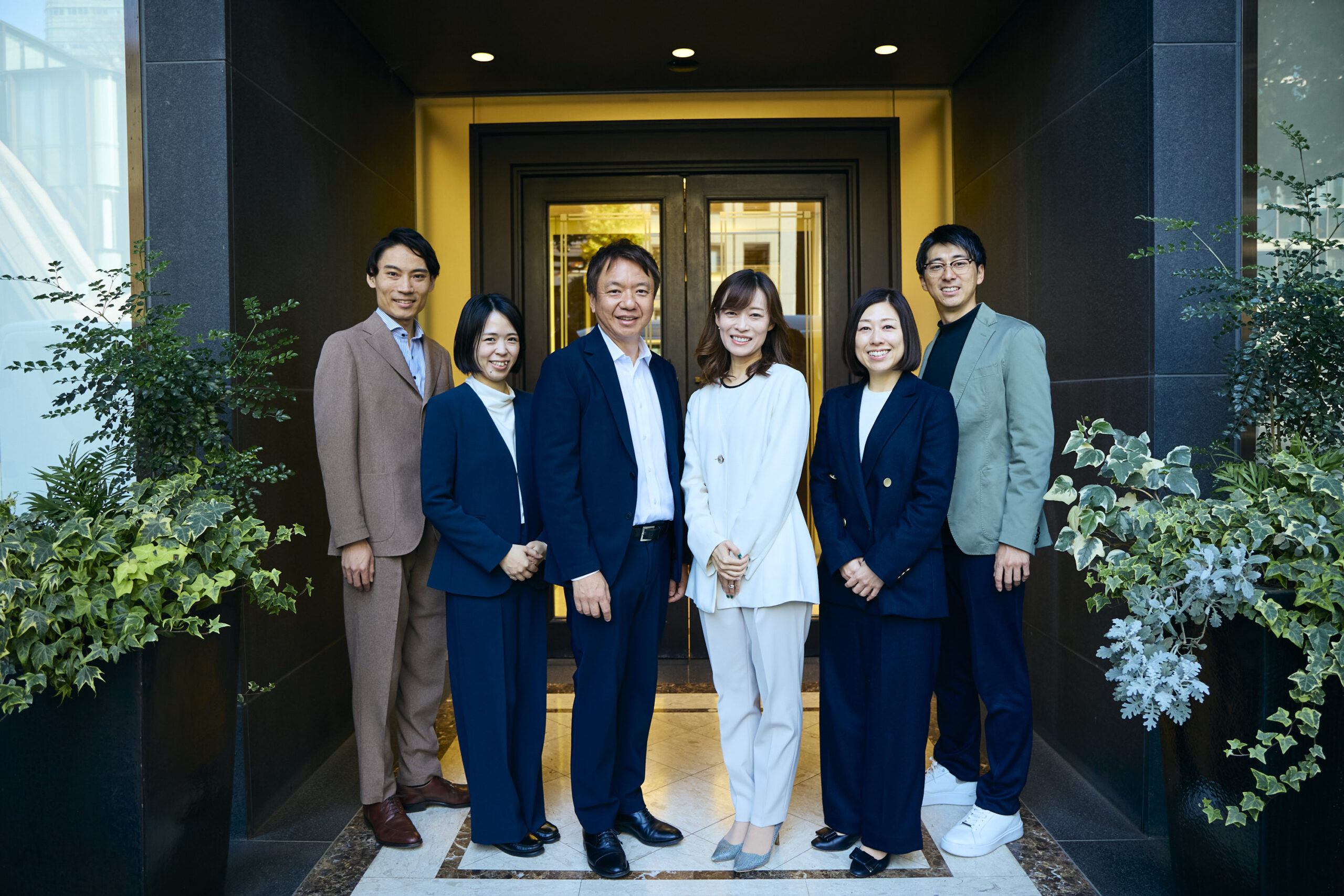
EM Labo is a Tokyo-based real estate brokerage providing English-language support to international clients.
Our team supports clients buying, renting, selling, leasing out, and investing in property throughout Tokyo and the wider Kanto area.
Our approach includes:
Clear Explanations in English
We do not simply translate individual words. We explain the purpose of each procedure, the important points within the documents, and the potential effect on your decision.
Japanese Market Access
We search Japanese-language property information and communicate directly with listing agents, sellers, landlords, management companies, and related professionals.
Licensed Real Estate Expertise
Our team includes licensed real estate professionals with experience in brokerage, property management, development, investment, architecture, and renovation.
Support Tailored to Your Goals
We begin by understanding your purpose, budget, timeline, lifestyle, and long-term plans before recommending a property or strategy.
Support Beyond the Contract
Depending on your needs, we can also coordinate matters involving mortgages, renovations, leasing, property management, and other specialist services.
Tokyo and Kanto Area Knowledge
Our search is not limited to the most internationally famous neighborhoods. We compare suitable areas throughout Tokyo, Kanagawa, Saitama, and Chiba based on your individual requirements.
Frequently Asked Questions
Below are common questions from people searching for an English-speaking real estate agent in Tokyo.
Are there English-speaking real estate agents in Tokyo?
Yes. Several real estate companies in Tokyo provide services in English. However, their areas, property types, and level of support vary. Confirm whether the agent has experience with your specific transaction, such as buying, renting, selling, or investing.
Can an English-speaking agent help me buy property in Japan?
Yes. An experienced agent can help search for properties, arrange viewings, investigate the property, coordinate mortgage consultations, negotiate terms, explain documents, and manage closing and handover.
Can I buy property in Tokyo without speaking Japanese?
It is possible to buy property without speaking fluent Japanese when you have appropriate professional support. Most communication and official documentation will still be handled in Japanese, so your agent must be able to explain the relevant information clearly in English.
Can an agent help me obtain a mortgage?
An agent can help you understand general mortgage options, prepare information, and communicate with potential lenders. Final approval is determined by the financial institution based on your individual circumstances and the property.
Can an English-speaking agent help me rent an apartment?
Yes. A rental agent can search for suitable properties, confirm whether the landlord will consider your application, arrange viewings, assist with the application, and explain the lease conditions.
Can a Tokyo real estate agent support me while I live overseas?
Many stages can be supported remotely through online consultations, virtual viewings, document sharing, and coordination with professionals in Japan. The required process depends on the transaction, financing method, and documents available in your country.
Should I contact several real estate agents?
You may speak with more than one agent during your initial research. However, it is usually more efficient to select a trusted agent who understands your requirements and can coordinate the transaction consistently.
One important point to understand is that the process in Japan is different from that in many other countries.
In many cases, once you have viewed a property through a particular real estate agent, that agent is regarded as the broker representing you for that property. It may not be possible—or appropriate—to switch to another agent for the same property later in the process.
For this reason, it is worth taking the time to choose an agent you trust before arranging property viewings.
Does an English-speaking agent charge an additional translation fee?
This depends on the company and the scope of service. Ask whether English explanations are included in the brokerage service and whether any separate specialist translation or legal review will incur additional costs.
At EM Labo, English-language support is included in our standard brokerage fee. We explain the transaction process, property information, key documents, and important contractual points in English, so our international clients can make informed decisions with confidence.
Which parts of Tokyo does EM Labo cover?
EM Labo supports clients throughout Tokyo and the wider Kanto area. Depending on your requirements, the search may include Kanagawa, Saitama, and Chiba.
Speak with an English-Speaking Real Estate Agent in Tokyo
Choosing the right property is important. Choosing the right agent should come first.
An effective English-speaking real estate agent in Tokyo should provide more than translated property listings. Your agent should help you understand the market, evaluate the property, identify potential risks, communicate with Japanese parties, and make decisions with confidence.
EM Labo provides English-language support for:
- Buying a home
- Finding a rental property
- Selling a property
- Leasing out a property
- Real estate investment
- Clients living outside Japan
Whether you are ready to begin your property search or are still exploring your options, you can start by discussing your goals, budget, preferred area, and timeline with our team.
Looking for Real Estate Support in English?
Speak with EM Labo about buying, renting, selling, or investing in property in Tokyo and the Greater Tokyo area.
Learn more about our property purchase support, rental support, property sale support, and investment services.
The information in this article is provided for general informational purposes and does not constitute legal, tax, immigration, or financial advice. Requirements and transaction procedures may vary depending on the client, property, lender, and applicable circumstances.
- English-Speaking Real Estate Services in Tokyo
- Can I Buy a House in Japan on a Work Visa? A Complete Guide
About the author

Related Posts
-
 Non-Resident Selling Property in Tokyo: A Guide for Overseas Owners
 -
Capital Gains Tax on a Japan Property Sale: A Guide for Foreign Owners
-
Buying Property in Japan as a Foreigner: A Practical Guide for Tokyo Buyers
-
Selling Property in Japan as a Foreigner: A Complete Tokyo Guide
-
Japan Mortgage for Foreigners: Can You Get a Home Loan Without PR?
-
Real Estate Agent for Foreigners in Japan: Complete Tokyo Property Support
-
Can Foreigners Buy Property in Japan? Rules and Requirements
-
Property Management for Foreigners in Japan: A Guide for Overseas Owners