Can Foreigners Buy Property in Japan? Rules and Requirements
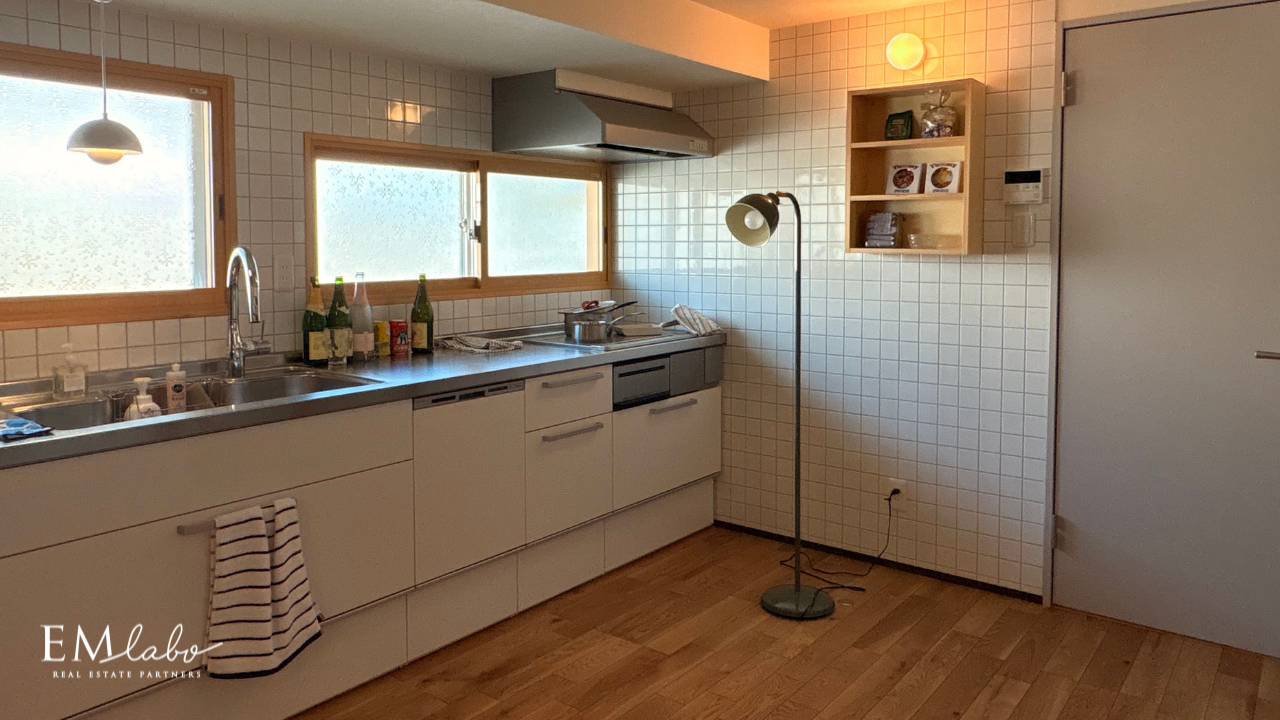
Can foreigners buy property in Japan?
Yes. Foreign nationals can generally purchase and own real estate in Japan, including both land and buildings. You do not normally need Japanese citizenship or permanent residency simply to become a property owner.
However, being allowed to own property does not necessarily mean that every part of the purchase will be easy.
Your visa status, place of residence, mortgage eligibility, available documents, tax obligations, and ability to understand Japanese contracts can all affect the transaction.
This article explains the basic rules for international buyers considering a home or investment property in Tokyo and the Greater Tokyo area.
目次
Can Foreigners Buy Property in Japan?
Yes. Foreign nationals can generally buy residential real estate in Japan.
For an ordinary condominium, detached house, or residential land purchase, you do not normally need to be:
- A Japanese citizen
- A permanent resident of Japan
- Married to a Japanese citizen
- Employed by a Japanese company
- Living in Japan at the time of purchase
Japan’s real estate transaction framework generally applies to both domestic and overseas buyers. Foreign ownership of ordinary residential property is therefore possible in many situations.
The Ministry of Land, Infrastructure, Transport and Tourism provides further information about Japan’s real estate market in its official guide, Japanese Real Estate Market, Today.
The basic answer is yes, but your buying conditions may differ.
Your nationality does not normally prevent ownership. The more practical questions are whether you can obtain financing, prepare the required documents, transfer funds, and understand the Japanese contract.
What Types of Property Can Foreigners Own in Japan?

Foreign buyers can generally own the same common types of residential real estate as Japanese buyers.
These include:
- Condominium units
- Detached houses
- Residential land
- Apartment buildings
- Investment condominiums
- Second homes
- Properties intended for future renovation
When you buy a standard freehold condominium, you normally acquire ownership of the individual unit together with a proportionate interest in the land and common areas.
When you buy a detached freehold house, the transaction commonly includes both the building and the land beneath it.
However, not every property in Japan is freehold.
Some buildings are located on leased land. In that situation, you may purchase the building while acquiring a leasehold interest rather than ownership of the land itself.
The remaining lease term, renewal conditions, land rent, transfer restrictions, and rebuilding rules must be checked carefully before buying a leasehold property.
Are There Any Exceptions?
Additional rules may apply to certain types of land or specially regulated locations.
Examples may include agricultural land, forest land, properties in designated security-related areas, and land subject to special development or usage restrictions.
These rules do not mean that foreign nationals are generally prohibited from buying Japanese property. They mean that the legal condition and permitted use of each property must be investigated individually.
For buyers looking for an ordinary home or condominium in Tokyo, Kanagawa, Saitama, or Chiba, the property-specific investigation is usually more important than the buyer’s nationality.
Do You Need a Visa or Permanent Residency to Buy Property?
You do not generally need a Japanese visa or permanent residency to purchase property using your own funds.
A person living overseas may therefore be able to buy property in Japan even without a current Japanese status of residence.
However, your residency status can affect several practical parts of the transaction, including:
- Mortgage eligibility
- Identity and address documentation
- Registration procedures
- Sending money to Japan
- Tax administration
- Post-purchase property management
A buyer who already lives and works in Japan may be able to provide a residence card, Japanese address, tax certificates, income records, and employment information.
A buyer living overseas may instead need to prepare proof of identity, proof of address, notarized documents, affidavits, corporate documents, or other materials accepted for Japanese registration.
The exact requirements depend on the buyer’s country of residence, the ownership structure, and the property being purchased.
Does Buying Property in Japan Give You a Visa?
No. Buying property in Japan does not automatically give you a visa, permanent residency, or the right to live in Japan.
Property ownership and immigration status are separate legal matters.
You may own a house or condominium in Japan while living in another country. However, owning that property does not allow you to remain in Japan beyond the period permitted by your immigration status.
Similarly, purchasing an investment property does not by itself qualify the buyer for a business-related visa.
A buyer who intends to relocate to Japan should plan the property purchase and immigration process separately.
Official information about statuses of residence and support for foreign residents is available from the Immigration Services Agency of Japan.
Can Foreigners Get a Mortgage in Japan?
Some foreign buyers can obtain a Japanese mortgage, but mortgage approval is generally more restrictive than property ownership.
The fact that you are legally allowed to buy a property does not mean that a Japanese bank is required to finance the purchase.
Each lender establishes its own screening criteria.
A bank may consider:
- Your status of residence
- Whether you have permanent residency
- The remaining period of your visa
- Your annual income
- Your employment type and employer
- Your length of employment
- Your Japanese tax and social insurance records
- Your credit history
- Your available down payment
- Your ability to understand the loan documents
- Your spouse’s nationality or residency status
- The market value and condition of the property
Mortgage Options for Permanent Residents
Permanent residents may have access to a wider range of housing loans, although approval is never automatic.
The lender will still review income, employment, existing debts, credit history, and the value of the property.
Mortgage Options Without Permanent Residency
Obtaining financing without permanent residency may still be possible.
Some lenders consider applicants who have stable employment in Japan, sufficient income, a long-term status of residence, a significant down payment, or a spouse with Japanese citizenship or permanent residency.
Other lenders may require permanent residency as a basic condition.
Because lending policies differ, buyers should complete an initial mortgage consultation before choosing a property.
Buying with Cash
A cash purchase can remove the need for mortgage approval, but it does not eliminate the other parts of the transaction.
Cash buyers still need to complete identity verification, investigate the property, review the contract, transfer funds, register ownership, and pay the relevant taxes and fees.
Not sure whether you qualify for a mortgage?
EM Labo can help you organize your residency status, income, down payment, budget, and preferred property conditions before you begin a serious property search.
Discuss Your Purchase in English
Can Foreigners Buy Property in Japan While Living Overseas?
Yes. A foreign buyer does not necessarily need to live in Japan at the time of purchase.
Overseas buyers may be able to begin the process through:
- Online consultations
- Remote property searches
- Video calls
- Virtual property viewings
- Electronic document sharing
- A representative based in Japan
However, an overseas purchase usually requires more preparation than a purchase by someone already living in Japan.
Important issues can include:
- Verifying your identity and overseas address
- Preparing documents acceptable in Japan
- Transferring the purchase funds in Japanese yen
- Signing or notarizing documents
- Registering ownership
- Receiving official correspondence
- Paying Japanese taxes
- Managing the property after closing
Foreign Exchange and Foreign Trade Act Reporting
A buyer who is treated as a non-resident under Japan’s Foreign Exchange and Foreign Trade Act may be required to submit a post-transaction report concerning the acquisition.
The Ministry of Finance states that applicable reports must be submitted through the Bank of Japan within 20 days after the acquisition. The report must be prepared in Japanese, although a Japan-based agent may submit it on behalf of the buyer.
Whether a report is required can depend on the buyer’s residency classification, the type of property or right acquired, and the purpose of the acquisition.
Overseas buyers should confirm the applicable reporting requirements for their individual transaction.
See the Ministry of Finance’s official page on reporting requirements for non-residents acquiring real property in Japan.
What Costs Do Foreign Buyers Need to Pay?
Foreign buyers generally pay the same main property-related taxes and transaction expenses as other buyers.
Costs may include:
- Real estate brokerage fees
- Registration and license tax
- Judicial scrivener fees
- Real estate acquisition tax
- Stamp duty
- Mortgage administration fees
- Loan guarantee or financing costs
- Fire and earthquake insurance
- Prorated fixed asset tax
- Prorated city planning tax
- Condominium management fees
- Repair reserve contributions
- Renovation and moving expenses
The final amount depends on the purchase price, assessed value, financing method, property type, building age, and any available tax reductions.
Buyers should request a property-specific cost estimate before submitting an offer.
For a detailed breakdown, read The Complete Guide to Understanding the Total Cost of Buying Real Estate in Central Tokyo.
You can also review EM Labo’s real estate brokerage fees.
How Do Foreigners Buy Property in Japan?

The basic buying process is similar for Japanese and international buyers.
- Clarify your purpose, budget, and preferred area.
- Check your mortgage eligibility if financing is required.
- Search for suitable properties.
- View and investigate the property.
- Submit a purchase application.
- Review the important matters explanation.
- Sign the sale and purchase agreement.
- Complete the mortgage and registration procedures.
- Pay the remaining balance and receive the property.
The main challenge for international buyers is often not the overall sequence but understanding the documents and risks within each stage.
Important documents are commonly prepared in Japanese and may contain technical information about:
- Ownership and registered rights
- Mortgages and other encumbrances
- Land use and building restrictions
- Road access
- Hazard zones
- Condominium rules
- Repair plans
- Deposits and payments
- Contract cancellation
- Liability for property defects
The important matters explanation is a disclosure document designed to protect the buyer by explaining essential legal rights, contract conditions, and property-related information.
International buyers should receive more than a literal translation. They should understand how each condition affects the intended use, ownership costs, and future resale of the property.
For a more detailed explanation of the complete process, read Buying Property in Japan as a Foreigner: A Practical Guide for Tokyo Buyers.
What Should Foreign Buyers Check When Buying in Tokyo?
Legal eligibility is only the first question. Choosing the right property in Tokyo requires a wider market and lifestyle analysis.
Tokyo is made up of many different local property markets. A condominium in Minato City may need to be evaluated differently from a family home in Setagaya, a renovated apartment in Meguro, or a detached house in western Tokyo.
International buyers should consider:
- Access to work and major train stations
- Walking distance from the nearest station
- Access to international schools
- Building age and seismic standards
- Flood, liquefaction, landslide, and other disaster risks
- Condominium management quality
- Repair reserve fund levels
- Future renovation requirements
- Rental demand
- Resale demand
Do You Need to Buy in Central Tokyo?
Central Tokyo is attractive because of its transport links, employment centers, international community, and potential resale demand.
However, it is not the right choice for every buyer.
Depending on your budget and lifestyle, suitable options may also be available in:
- Other parts of Tokyo
- Yokohama and Kawasaki
- Southern Saitama
- Western Chiba
Expanding the search can provide more space, newer construction, or better value while maintaining access to central Tokyo.
EM Labo focuses on Tokyo and the Kanto area. You can view selected listings on the Tokyo and Kanto property page.
Common Misunderstandings Foreign Buyers Should Avoid
The following assumptions can lead to poor decisions or unexpected problems.
“I Need Permanent Residency to Own Property”
Permanent residency is not generally required simply to own property. It is more relevant to mortgage eligibility than ownership itself.
“Buying a House Will Give Me a Visa”
Property ownership does not automatically provide immigration rights. Your visa and property purchase must be considered separately.
“If I Pay Cash, the Transaction Will Be Simple”
A cash purchase avoids mortgage screening, but legal checks, property investigations, contracts, taxes, registration, and fund transfers are still required.
“All Tokyo Properties Will Increase in Value”
Future value depends on the location, building condition, management, supply and demand, access, layout, and wider market conditions.
A Tokyo address alone does not guarantee a profitable resale.
“An English Property Listing Contains Everything I Need to Know”
English-language listings often provide only a summary.
Important information may be contained in Japanese management reports, repair plans, title records, disclosure documents, and contracts.
“Any English Speaker Can Translate the Contract”
Real estate documents include legal, financial, architectural, and property-management terminology.
A useful explanation requires an understanding of the transaction, not only the ability to translate words.
Frequently Asked Questions
These are some of the most common questions international buyers ask before purchasing real estate in Japan.
Can a tourist buy property in Japan?
A person visiting Japan may generally own ordinary residential property. However, purchasing property does not extend the period of stay or create a new immigration status. Buyers living overseas may also face additional documentation and reporting requirements.
Can foreigners own land in Japan?
Foreign nationals can generally own residential land in Japan. Additional rules may apply to certain regulated land categories and locations, so the individual property must be investigated before purchase.
Do foreigners pay more tax when buying property in Japan?
Foreign buyers generally pay the same main property transaction taxes and ownership taxes as other buyers. Tax treatment can differ depending on whether the owner is a Japanese tax resident, lives overseas, rents out the property, or later sells it.
Can a foreigner buy a condominium in Tokyo?
Yes. Foreign buyers can generally purchase and own condominium units in Tokyo. The buyer should review the unit, land rights, management rules, repair reserve fund, planned construction, and monthly ownership expenses.
Can foreigners buy investment property in Japan?
Yes. International buyers can generally purchase rental and investment property. However, rental income, withholding tax, tax filings, property management, and foreign exchange reporting may need to be considered.
Learn more about EM Labo’s real estate investment support.
Can foreigners get a home loan in Japan?
Some foreign buyers can obtain a Japanese mortgage. Eligibility depends on the lender, residency status, income, employment, down payment, language ability, and the property being purchased.
Can I buy property without speaking Japanese?
Yes, particularly when you work with an English-speaking real estate team. However, most official documents and communications with sellers, management companies, banks, and registration professionals will still be conducted in Japanese.
Can I complete the purchase without visiting Japan?
Some transactions can be managed largely from overseas through online consultations, virtual viewings, document delivery, and a Japan-based representative. The feasibility depends on the property, seller, financing method, and required documents.
Which areas does EM Labo support?
EM Labo primarily supports buyers in Tokyo and the Kanto area, including suitable properties in Kanagawa, Saitama, and Chiba.
Speak with an English-Speaking Real Estate Agent in Tokyo
Can foreigners buy property in Japan? In most ordinary residential transactions, the answer is yes.
The more important question is whether the property, financing plan, contract conditions, and location are right for you.
EM Labo provides English-language support throughout the buying process, including:
- Initial online consultations
- Budget and mortgage guidance
- Tokyo and Kanto area analysis
- Japanese-language property searches
- In-person and virtual viewings
- Property and building investigations
- Price negotiations
- Contract explanations
- Closing and handover support
- Introductions to relevant specialists
Whether you live in Japan or overseas, the first step is to clarify your budget, preferred location, intended use, residency status, and financing method.
Considering Buying Property in Japan?
Speak with EM Labo’s English-speaking team about your budget, preferred area, mortgage options, and property requirements.
Request a Property Consultation
Learn more about our property purchase support, service fees, and properties in Tokyo and the Kanto area.
The information in this article is provided for general informational purposes and does not constitute legal, immigration, tax, or financial advice. Requirements may differ depending on the buyer, property, lender, intended use, and applicable laws. Please consult an appropriate professional regarding your individual circumstances.
- Property Management for Foreigners in Japan: A Guide for Overseas Owners
- Real Estate Agent for Foreigners in Japan: Complete Tokyo Property Support
About the author

Related Posts
-
 Non-Resident Selling Property in Tokyo: A Guide for Overseas Owners
-
Capital Gains Tax on a Japan Property Sale: A Guide for Foreign Owners
-
Buying Property in Japan as a Foreigner: A Practical Guide for Tokyo Buyers
-
Selling Property in Japan as a Foreigner: A Complete Tokyo Guide
-
Japan Mortgage for Foreigners: Can You Get a Home Loan Without PR?
-
Real Estate Agent for Foreigners in Japan: Complete Tokyo Property Support
-
Property Management for Foreigners in Japan: A Guide for Overseas Owners
-
Can I Buy a House in Japan on a Work Visa? A Complete Guide