Tokyo Real Estate 2026: When Is the Best Time to Sell Your Property?
Over the past few years, property prices in Tokyo have risen significantly, particularly in central areas.
We are seeing this trend clearly in our day-to-day work. One of our recent clients sold a condominium in Shinagawa for nearly JPY 150 million, a property that had been purchased for approximately JPY 60 million just 10 years ago.
This kind of appreciation is no longer rare.
Another client purchased a property in Minato City about 15 years ago and recently sold it for nearly three times the original price. Following the sale, they chose to retire and relocate to Hakone, starting a new chapter of their life.
So the question many property owners are asking today is:
Is now the right time to sell?
目次
Tokyo Real Estate Market Overview (2026)
Tokyo’s real estate market continues to be driven by a combination of limited supply and strong demand.
Key factors include:
- Continued population concentration in central Tokyo
- Strong interest from both domestic and international buyers, many of whom are motivated by the expectation that prices may continue to rise
- Limited availability of high-quality properties
While prices have risen steadily, the market is becoming more selective.
Well-located, well-maintained properties continue to perform strongly, while others may take longer to sell.
Properties that are well-located and well-maintained continue to perform strongly.
Interest Rates in Japan: What Sellers Need to Know
For many years, Japan maintained extremely low interest rates. Around 2021, mortgage rates were often as low as 0.3%.
As of 2026:
- Variable mortgage rates have exceeded 1%
- Flat 35 rates have risen to approximately 2.6%
With additional rate hikes expected, borrowing conditions are gradually tightening.
In 2021, due to intense competition among banks, ultra-low interest rates of around 0.3%–0.4% became common. Some online banks even offered rates in the 0.2% range, marking historical lows.
At EM Labo, we also introduced financing options such as 0.34% through Resona Bank and around 0.45% through Shizuoka Bank.
Even for non-permanent residents, it was possible to secure mortgage rates in the 0.4% range, provided they had approximately 20% down payment plus closing costs.
For sellers, this creates an important window:
There is still demand from buyers looking to secure financing before rates rise further.
Rising Construction Costs and Limited Supply
Construction costs in Japan continue to increase due to:
- Higher material costs
- Labor shortages and rising wages
At the same time, new condominium supply remains limited.
More recently, geopolitical tensions in the Middle East have disrupted the supply of oil-based materials such as naphtha, which is essential for housing equipment production. This has led to delays and shortages in items such as unit bathrooms and kitchen systems.
Looking ahead, stricter labor regulations and ongoing workforce shortages are expected, making it difficult to identify any factors that would significantly reduce construction costs.
As a result, there are few downward pressures on property prices—especially in central Tokyo. Well-positioned resale properties are expected to remain competitive.
Rental Market Trends: Increasing Yields in Tokyo
Another important shift is the rental market.
Historically, rents in Japan were relatively stable. However, in recent years, we have seen a clear upward trend:
- Rental increases of approximately 5–8% across many properties (based on EM Labo’s portfolio)
- Strong demand from both local residents and international tenants
In many cases, rents are not only increasing at renewal but can also be significantly raised upon tenant turnover, yet still be successfully leased.
For investors, this means improving yields, making Tokyo real estate increasingly attractive.
When Is the Best Time to Sell in 2026?
Timing is always critical in real estate.
In the current market, one effective strategy is:
Selling before further interest rate increases are fully reflected in buyer behavior.
You may have a strong advantage if:
- There are few competing listings in your building
- Your property is located in a high-demand area with limited inventory
- Your property is well maintained
At the same time, it is equally important to sell at a timing that aligns with your personal life goals.
Understanding your net proceeds after sale is essential before making a decision.
Key Factors That Affect Your Property Value
Buyers today are highly informed and selective.
Some of the most important factors include:
- The financial health of the building (repair reserve funds)
- Maintenance history and overall management quality
- Transparency and long-term planning
We are also seeing a growing interest in detached houses, partly due to rising condominium maintenance costs.
Additionally, small but important efforts can make a significant difference:
- Keeping the property clean and well-presented for viewings
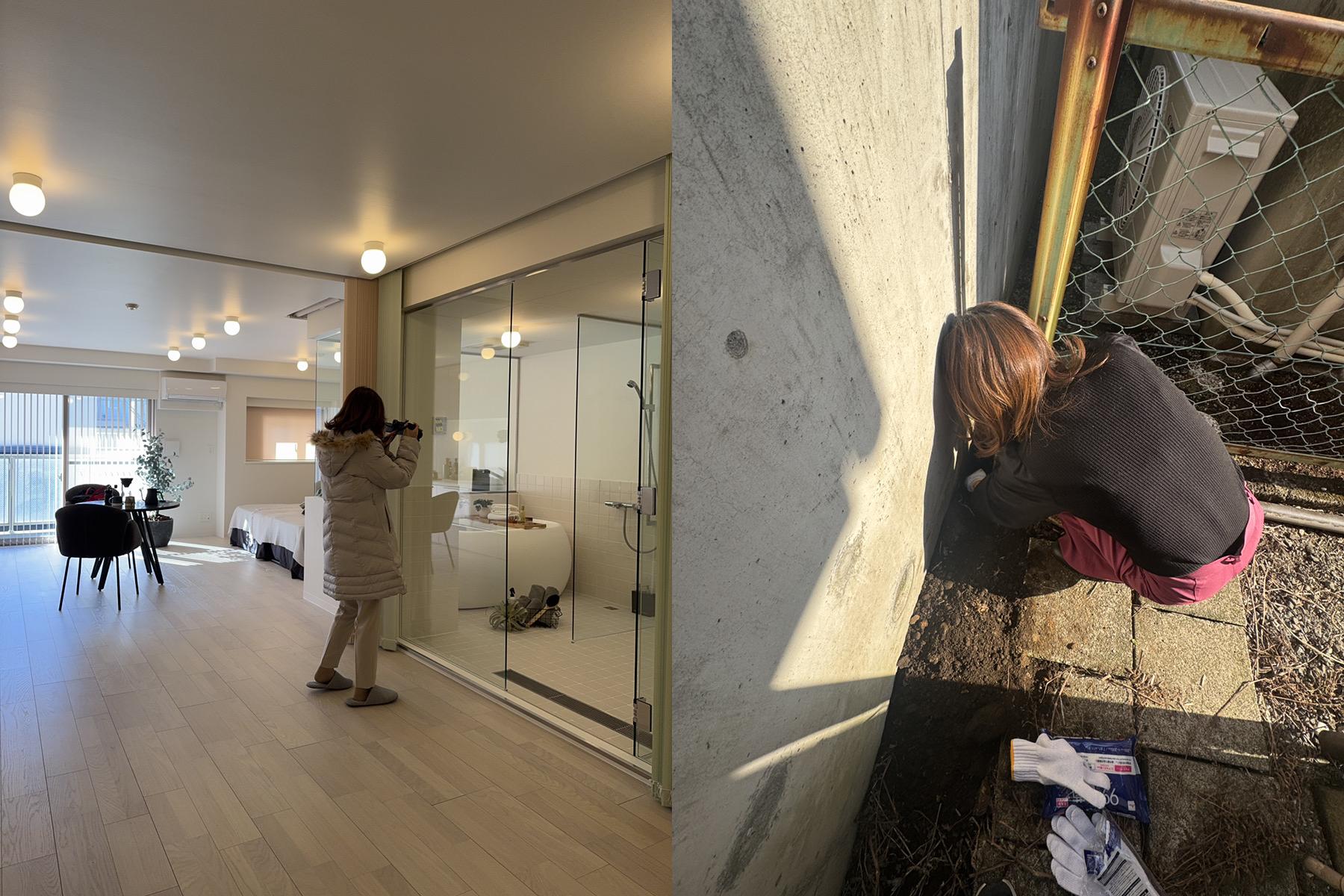
- Professional cleaning and minor maintenance for vacant units
- Ensuring utilities such as electricity are active
These details often contribute to faster and more successful sales.
Listing Price vs. Actual Sale Price: What You Must Know
One of the most common misconceptions is relying on listing prices.
In many large condominium buildings:
- Multiple units may be listed at the same time
- Asking prices can vary significantly
- Not all listings reflect actual market value
Recently, the gap between listing prices and actual transaction prices has widened. While some media refer to this as a “market correction,” in reality, many properties were initially listed at ambitious prices.
We are now seeing a phase where sellers are adjusting expectations based on actual market response.
If a property remains on the market too long, buyers may become cautious.
This is why it is essential to analyze:
Actual transaction data—not just asking prices.
Choosing the Right Real Estate Agent in Japan
The choice of agent can significantly impact your results.
In Japan, some agencies still rely on limited exposure strategies, keeping listings within their own network.
At EM Labo, we take a different approach:
- Full transparency through real estate databases
- Immediate exposure to the broader market
- Collaboration with other agencies
- Providing high-quality marketing materials, including professional photos
- Use of digital tools to streamline the sales process
This allows us to achieve:
- Faster transactions
- Stronger pricing outcomes
- Access to both domestic and international buyers
Is 2026 a Good Time to Sell Your Property in Tokyo?
For many property owners, the answer is yes.
However, the market is no longer uniform:
Some areas are slowing, while others remain highly competitive.
Success depends on:
Accurate pricing, timing, and strategy.
Thinking About Selling? Let’s Talk
If you are considering selling your property in Tokyo, we would be happy to assist you.
At EM Labo, we provide:
- A detailed market analysis tailored to your property
- Access to both local and international buyers
- A strategic approach designed to maximize both price and timing
We offer consultations in both English and Japanese.
FAQ: Tokyo Real Estate Market 2026
- Is 2026 a good time to sell property in Tokyo?
-
For many property owners, 2026 may be a favorable time to sell, especially for well-located and well-maintained properties in central Tokyo. However, the best timing depends on interest rates, competing listings, property condition, and personal financial goals.
- What is driving Tokyo real estate prices in 2026?
-
Tokyo real estate prices are being influenced by limited supply, strong demand from domestic and international buyers, rising construction costs, and increasing rents in central areas.
- Can international property owners sell real estate in Japan?
-
Yes. International property owners can sell real estate in Japan. Working with an English-speaking real estate agent can help with pricing strategy, documentation, buyer communication, and the overall sales process.
- Finding Home in Japan:How EM Labo Helps International Buyers Navigate the Real Estate Market
- Luxury Maisonette Living in Koenji 2Bedrooms + Studio | 123㎡ | Pet-Friendly | Walk to JR Koenji Station
About the author

Related Posts
-
 Non-Resident Selling Property in Tokyo: A Guide for Overseas Owners
 -
Capital Gains Tax on a Japan Property Sale: A Guide for Foreign Owners
-
Buying Property in Japan as a Foreigner: A Practical Guide for Tokyo Buyers
-
Selling Property in Japan as a Foreigner: A Complete Tokyo Guide
-
Japan Mortgage for Foreigners: Can You Get a Home Loan Without PR?
-
Real Estate Agent for Foreigners in Japan: Complete Tokyo Property Support
-
Can Foreigners Buy Property in Japan? Rules and Requirements
-
Property Management for Foreigners in Japan: A Guide for Overseas Owners